
Process
Two acts of stalking or harassment (as set out below) on at least two separate occasions within two years, knowing that the behaviour is likely to cause fear and distress means that a person could be charged by Police. If someone is convicted on such charges, they could face a prison term of up to five years.
Police have also been empowered to issue formal notices that notify a person in writing that their behaviour is causing, or is likely to cause, fear or distress to a victim and that continuing to engage in that behaviour may constitute an offence. Victims will be spoken to by Police first to ensure a safety plan is in place for when the notice is served, as well as after service. Such notice would likely mean that a Court would be able to presume that the person served knew their behaviour was likely to cause fear or distress, thereby strengthening the likelihood of a conviction occurring if the behaviour continues.
What is considered stalking and harassment?
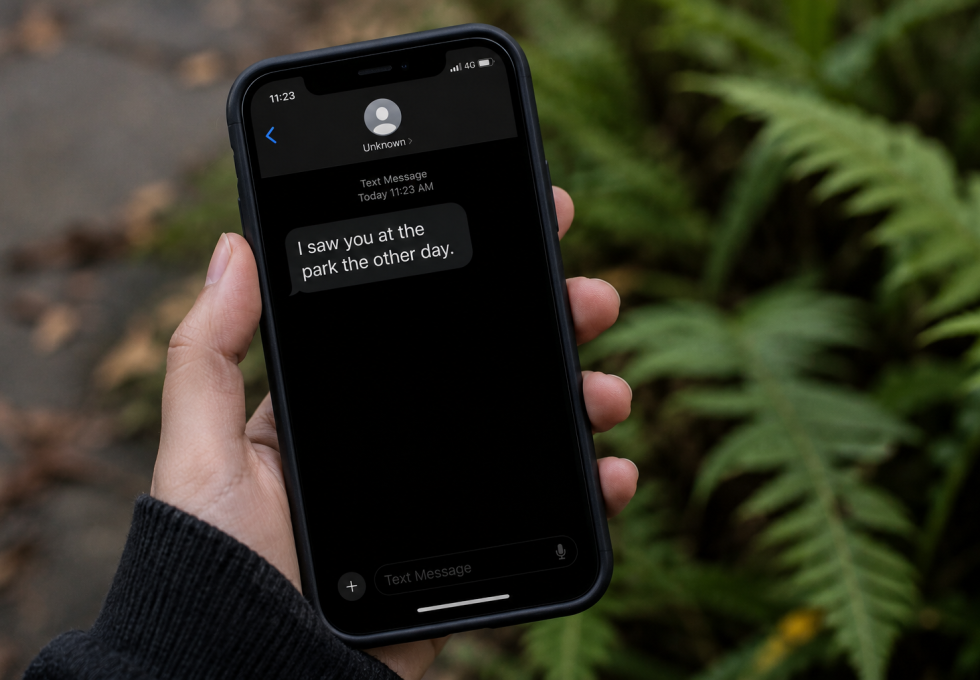
Some examples of stalking and harassment include:
- Watching, following, loitering near or obstructing a person;
- Recording or tracking;
- Contacting or communicating with the person;
- Damaging, devaluing, moving, entering or interfering with taonga or property (including pets) that the person has an interest in;
- Damaging or undermining a person's reputation, opportunities or relationships;
- Publishing statements or other material relating to a person or pretending to be from that person (also known as "doxing", or "collating and publishing private and identifying information about an individual, including posting information on their behalf"); and
- Acting in any way that would cause fear or distress to a reasonable person.
The changes also take into account actions done to a third party who is known to a stalking target that are done "wholly or partly" because of that person's relationship to the target and set out that these acts could be done in person but also through means including digital applications, drones, spyware, tracking applications or the use of artificial intelligence.
Importantly, whilst any of the above could constitute family violence, it also does not matter whether the person doing the stalking/harassing is a complete stranger – the behaviour is illegal.
Protections available
The available legal options include:
1. Formal Police notice (as set out above);
2. Police charge;
3. Restraining order;
4. Harmful digital communications order;
5. Disposal and forfeiture order;
6. Firearms prohibition order;
7. Trespass notice;
8. Police Safety Order (issued by Police); and
9. Protection order (issued by the Family Court).
How we can help
If you are being stalked or harassed, remember that it is not your fault, it is not acceptable, and it is not okay. You have the right to be safe and to live a life free from stalking and harassment.
If you or someone you know is being stalked or experiencing harassment, Burley Castle Hawkins Lawyers are here to help. If you or someone you know need help in obtaining protection, please do not hesitate to reach out to the team for assistance.
If you are currently in danger:
- Phone the Police on 111 or ask neighbours or friends to ring for you.
- Run outside and head for where there are other people.
- Scream for help so that your neighbours can hear you.
- Take the children with you.
- Do not stop to get anything else.
For help or more information:
- Shine: Free national helpline available 24/7 – 0508 744 633 www.2shine.org.nz
- Women’s Refuge: Free national crisis line operates 24/7 – 0800 refuge or 0800 733 843 www.womensrefuge.org.nz
- Shakti: Providing specialist cultural services for African, Asian and Middle Eastern women and their children. Crisis line 24/7 0800 742 584
- Elder Abuse Helpline: 0800 32 668 65 – 24 hours, text: 5032, email: support@elderabuse.nz
- Safe to Talk: Freephone 24/6 on 0800 044 334, text 4334, or webchat at safetotalk.nz
- Are You Ok: Information line 0800 456 450 www.areyouok.org.nz
- Hey Bro Helpline: supporting men to be free from violence 0800 HeyBro (439 276)
- Youthline: 0800 376 633, free text: 234, email: talk@youthline.co.nz
- Victim Support: Freephone 24/7 0800 842 846 or visit victimsupport.org.nz
- 1737 Mental Health: Wellbeing support, text 24/7 on 1737 or visit 1737.org.nz
- Netsafe: Agency that supports victims of online harm, freephone 0508 638 723 or visit netsafe.org.nz
- What’s Up: Support service for Tamariki and rangatahi, freephone 0800 942 8787, or whatsup.co.nz
- OUTline NZ: Support service regarding sexuality or gender identity, freephone 0800 688 5463 or visit outline.org.nz
- Hohou Te Rongo Kahukura: Provides mana enhancing support for Takatāpui and Rainbow survivors of sexual harm, visit kahukura.co.nz
By Michelle Carey | Senior Solicitor | 07 571 7008 | michelle@bchlaw.co.nz
The information contained in this article is provided for informational purposes only and should not be construed as legal advice on any subject matter.